
How residential solar works, without jargon.
If you can understand a phone charger, you can understand solar. The idea is simple: sunlight becomes electricity, your home uses it first, and any extra can go to the grid or a battery.
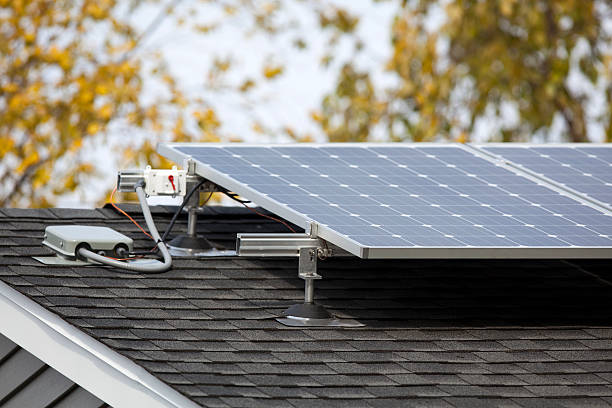
The main parts
Most grid-tied home systems have the same building blocks. Different brands exist, but the job each part does is consistent.
Solar panels
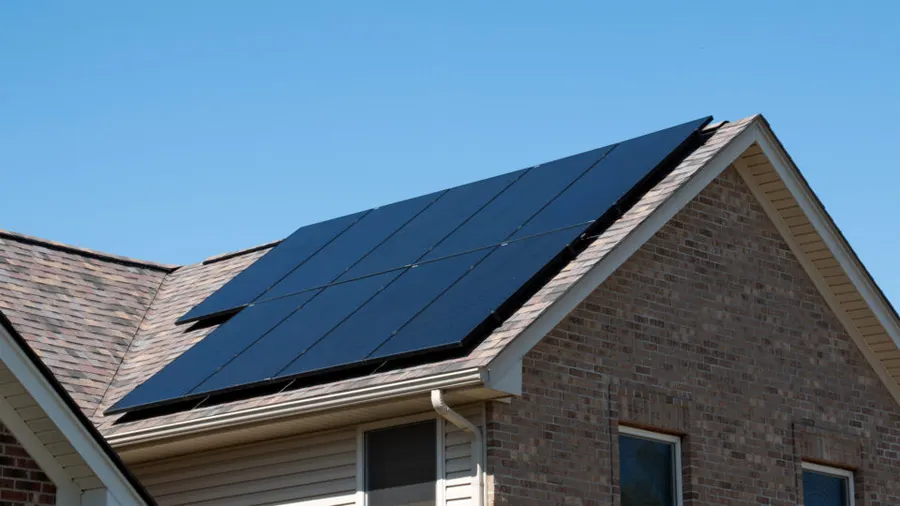
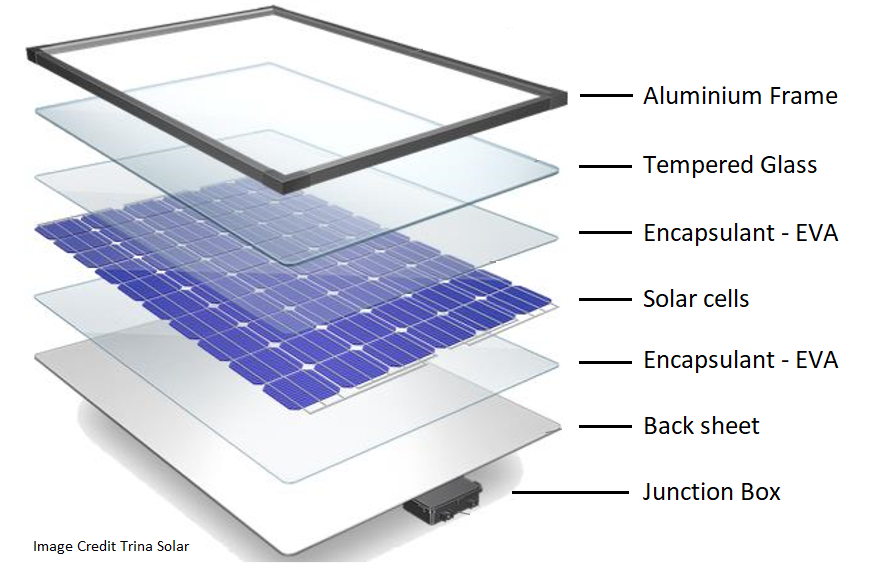
Panels turn sunlight into DC electricity. They do not store power. They generate power when light hits them.
Inverter
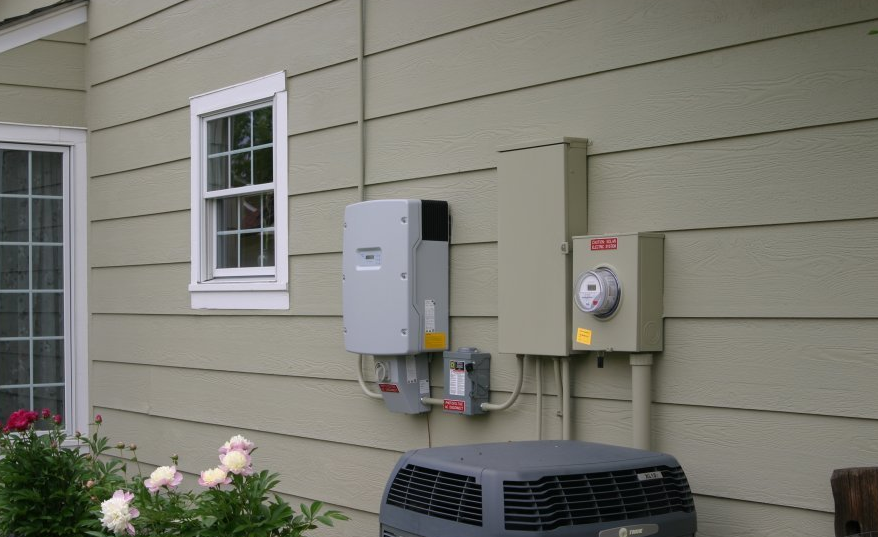
Your home runs on AC. The inverter converts DC → AC and synchronizes with your home and the grid.
Electrical panel + meter
The panel distributes power inside your home. The utility meter measures what you use from the grid and what you send back.
Step-by-step: from sunlight to your lights
Here’s the simplest way to think about the electricity “path” on a normal day.
1. Sun hits the panels
Solar cells create DC electricity when light energizes electrons inside the silicon.
2. Inverter makes it usable
The inverter converts DC to AC so your home can use it and so it can safely connect to the grid.
3. Your home uses solar first
When your solar is producing, your home loads can be powered directly—reducing what you need from the utility.
4. Extra power goes somewhere
If you make more than you’re using, the extra can flow to the grid or charge a battery if installed.
5. At night, the grid or battery helps
When panels aren’t producing, your home draws from the grid unless you have a battery supplying power.
6. You can monitor it
Many systems include monitoring that shows production, usage, and alerts when something isn’t right.
What is net metering?
In many areas, when your solar produces more than your home is using, the extra flows to the grid and your utility tracks it. Some utilities provide credits that offset later usage. Exact rules vary by utility and location.
Think of it like a balance
Solar can reduce what you buy from the grid. Any credit for exporting power depends on your utility’s program.
Your meter records both directions
Modern meters measure energy imported from the grid and exported to the grid.
Credits aren’t the same everywhere
Some plans credit 1:1, some credit at a different rate, and some use time-of-use rules.
Where batteries fit in
Batteries store energy so you can use solar later, such as at night, or during outages depending on how your system is designed.
Storage, not generation
Batteries don’t make power; they store it. They charge from solar and sometimes the grid, then discharge when needed.
Backup depends on your setup
Not every battery system provides whole-home backup. Backup capability depends on wiring, inverter, and critical-load design.
Great for shifting usage
Batteries can help you use more of your own solar later in the day instead of exporting it.
What affects how much power you get?
Sun + seasons
Longer, sunnier days usually mean more production. Cloud cover and winter sun angles can reduce output.
Shade
Shade from trees, chimneys, or nearby buildings can drop production more than most people expect.
Equipment + health
Inverter issues, wiring problems, and failed components can reduce production—even if panels look fine.